Therapists communicate with clients between sessions to coordinate appointments, share documents, and answer administrative questions. But standard email and text messaging may not provide the privacy and security safeguards needed to protect sensitive client information.
Secure messaging for therapists provides a dedicated channel for client communication, helping Canadian practitioners protect confidentiality, organize conversations, and support their privacy obligations. The right solution can also simplify administrative tasks without compromising the trust at the heart of the therapeutic relationship. Let’s discuss everything you need to know.
Why Is Secure Communication Important for Canadian Therapists?
Canadian therapists have a professional responsibility to protect client confidentiality, including when communicating outside sessions. The applicable privacy laws depend on factors such as the therapist’s province or territory, professional designation, and practice setting.
At the federal level, the Personal Information Protection and Electronic Documents Act (PIPEDA) governs certain activities involving personal information. Provincial legislation may also apply, such as Ontario’s Personal Health Information Protection Act (PHIPA), which sets requirements for handling personal health information.
These laws influence how therapists collect, use, store, and disclose client information. Choosing secure communication tools, therefore, can help protect sensitive information and support a practice’s privacy obligations. However, no platform guarantees compliance on its own. Therapists must also ensure their policies and practices meet applicable requirements.
3 Benefits of Secure Messaging for Therapists
1. Protect Client Confidentiality and Build Trust
Clients trust therapists with deeply personal information, and protecting that trust means safeguarding their privacy beyond the therapy session. This includes how therapists communicate with clients between appointments, whether sharing resources, answering questions, or coordinating schedules.
However, using personal email accounts or standard text messages for these interactions can make it harder to protect sensitive information. Messages may appear on shared devices, remain in personal inboxes, or become scattered across multiple platforms.
Secure messaging for therapists offers a more organized way to manage these conversations. Depending on the platform, features such as encryption, access controls, and secure document sharing can help protect client information while keeping communication in one place.
Just as importantly, using a dedicated communication channel reinforces your commitment to confidentiality. Letting clients know how to use the platform, what information to share, and when they can expect a response helps set clear expectations and maintain trust between sessions.
2. Support Privacy Compliance in Your Therapy Practice
Choosing communication software is not simply a matter of convenience. Therapists need to consider whether their tools support their legal and professional obligations to protect client information.
When evaluating secure messaging software for your Canadian therapy practice, consider the following:
- Privacy and security safeguards: Does the platform offer appropriate encryption, access controls, and protection against unauthorized access?
- Data storage and access: Where is client information stored, who can access it, and how is access managed?
- Privacy policies and agreements: Does the provider explain how personal information is collected, used, stored, and disclosed?
- Applicable Canadian legislation: Can you assess the platform against the privacy requirements that apply to your province, professional role, and practice?
- Record retention and deletion: Can you manage communications in accordance with your documentation, retention, and privacy obligations?
Remember, PIPEDA does not apply to every therapist or practice in Canada in the same way. Depending on your circumstances, provincial or territorial legislation may govern how you handle personal health information.
Rather than relying on a provider’s general claims about compliance, review its privacy documentation and assess whether its safeguards meet your practice’s requirements. You may also need to review contractual arrangements and your own policies and procedures.
The right communication platform can support your approach to privacy, but it should be one part of a broader strategy for protecting client information.
3. Keep Client Communications Organized
Managing client messages across email accounts, text conversations, and multiple applications can create unnecessary administrative work. It can also make it harder to find important information when you need it.
Yet therapy practice management software with built-in secure messaging brings communication into a more organized workflow. Depending on the system, therapists can exchange messages, share documents, and access relevant communication alongside other client information.
A centralized system can help you:
- Find client communications without searching through multiple inboxes.
- Share intake forms, practice policies, and other documents through an appropriate secure channel.
- Reduce reliance on personal devices and accounts for practice-related communication.
- Maintain clearer processes for responding to messages and managing administrative requests.
- Spend less time switching between tools and more time on clinical work.
As your caseload grows, a consistent communication process can make your practice easier to manage while helping you maintain appropriate professional boundaries.
What Should Therapists Look for in Secure Messaging Software?
Choosing secure messaging software should protect sensitive information, fit naturally into your daily workflow, and support your professional and legal responsibilities as a Canadian therapist.
Here are five features to prioritize when comparing your options.
1. Strong Security and Privacy Controls
Start by looking at how the platform protects client information. Features such as encryption and access controls can help prevent unauthorized access, but it’s equally important to understand how the provider stores, processes, and safeguards your data.
Ask about data storage locations, third-party access, security incident procedures, and the privacy agreements available to your practice. These details will help you assess whether the platform’s safeguards meet your needs.
2. Secure Document Sharing
Client communication often involves more than messages. You may need to share intake forms, consent documents, treatment resources, or practice policies.
A platform with secure document sharing lets you exchange these materials through a dedicated channel instead of relying on personal email accounts or standard text messages. This also makes it easier to manage client communications consistently.
3. Integration With Your Practice Management Software
Switching between messaging apps, scheduling tools, billing systems, and client records adds unnecessary steps to your day. It can also make it harder to keep track of client interactions.
Choosing a platform with built-in secure messaging can bring these tasks together in one place. Look for tools that integrate with your existing workflows and make it easier to manage administrative tasks without adding to your workload.
4. An Accessible, Easy-to-Use Experience
Even the most secure platform won’t be useful if clients struggle to access it. A straightforward interface makes it easier for clients to read messages, receive notifications, and share documents when needed.
Consider how clients sign in, whether they need to download an app, and how easily they can navigate the messaging system. Clear instructions and a simple user experience can help clients feel comfortable using the platform while reducing the time you spend troubleshooting access issues.
5. Support for Canadian Privacy Requirements
Security features alone don’t establish compliance with Canadian privacy legislation. You also need to understand how the provider handles personal information and whether its practices align with the legal and professional obligations applicable to your practice.
Ask providers about their data protection policies, storage practices, privacy agreements, and support for applicable federal and provincial requirements. Review their documentation carefully rather than relying on broad claims that a platform is “secure” or “compliant.”
Establish clear communication boundaries, too. Once you’ve chosen a platform, explain how clients should use it, when they can expect a response, and which matters are appropriate for messaging. Furthermore, make it clear that messaging isn’t an emergency service and explain how clients can seek urgent support when applicable.
Simplify Secure Messaging for Therapists With Owl Practice
Client communication is essential to running a therapy practice, but juggling messages across multiple apps and email accounts adds to your administrative workload and takes time away from client care. A secure, centralized messaging solution helps you manage conversations more efficiently while protecting sensitive client information.
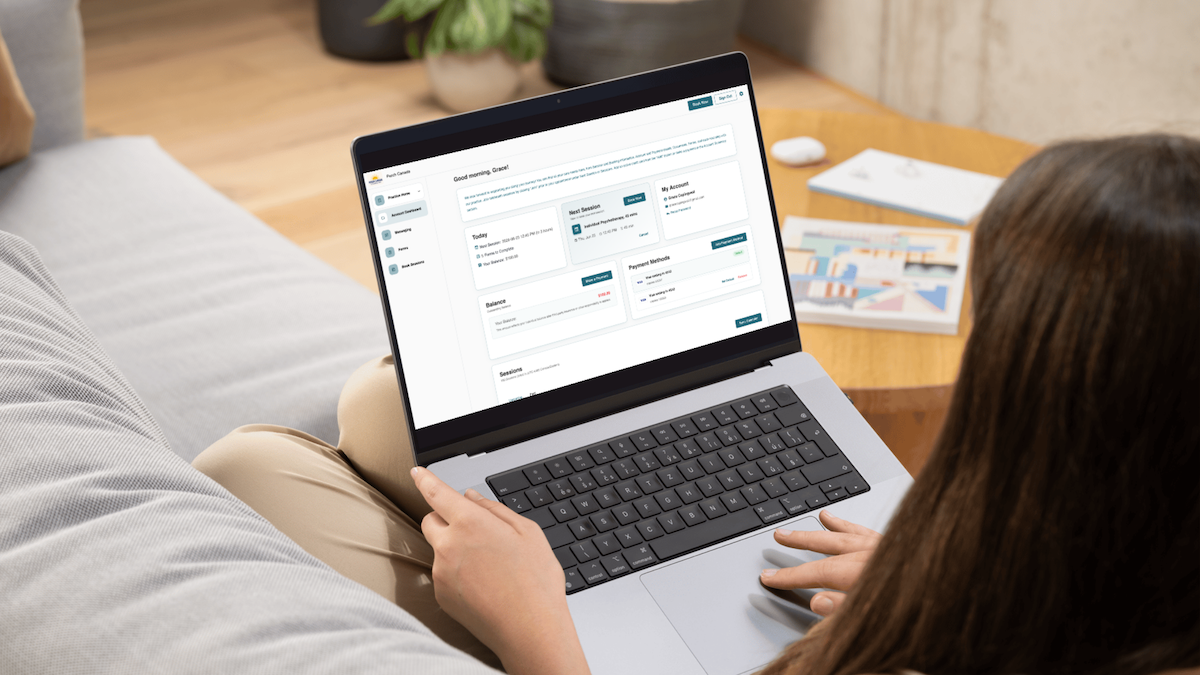
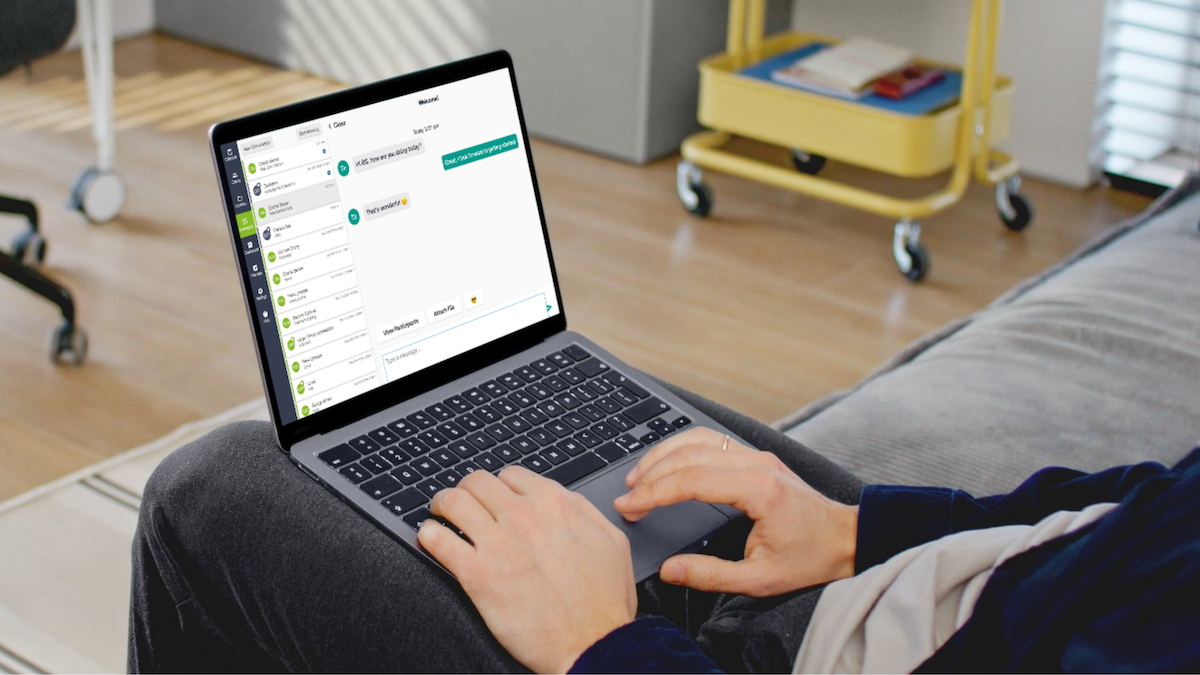
Owl Practice integrates secure messaging for therapists directly into its practice management platform, allowing you to communicate with clients and share documents in one place. By bringing these tasks together, you can simplify your workflow, keep client communications organized, and spend less time switching between tools.
If you’re looking for a simpler way to manage client communication while supporting your confidentiality and privacy responsibilities, explore Owl Practice’s secure messaging feature. You can also start your free trial to see how Owl Practice fits into your practice.