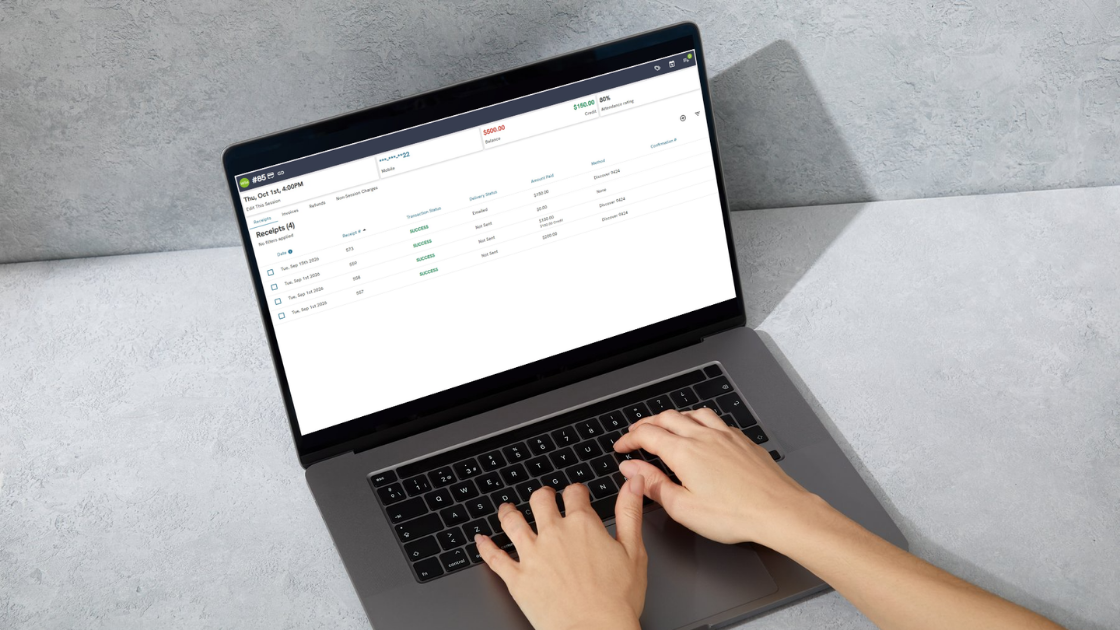
Summary: Owl Practice Secure Messaging gives between-session communication one secure home in the Client Portal, so therapists stay reachable without their inbox carrying the load by:
- Keeping client messages in one place: Clients view conversations, reply to threads, start new ones, and attach files through the Client Portal, instead of communication scattering across email, text, and personal phones.
- Setting expectations inside the channel: Practices can display a message in Secure Messaging explaining how it’s used and when clients can expect a reply, so being reachable doesn’t mean being on call.
- Reflecting everyone involved in care: A Circle of Care organizes the relationships around minors, couples, and families, capturing not just who a person is but how they connect to the client’s care.
Where should a client message you between sessions? It sounds simple until you list the answers actually in play: your direct email, text, maybe the office inbox, occasionally a personal phone, and whatever channel the client happened to use last time.
Therapists want their clients to be able to reach them. The question is how to stay reachable without opening five different doors into the practice, and without every client assuming those doors are open around the clock.
Give Client Communication One Place to Live
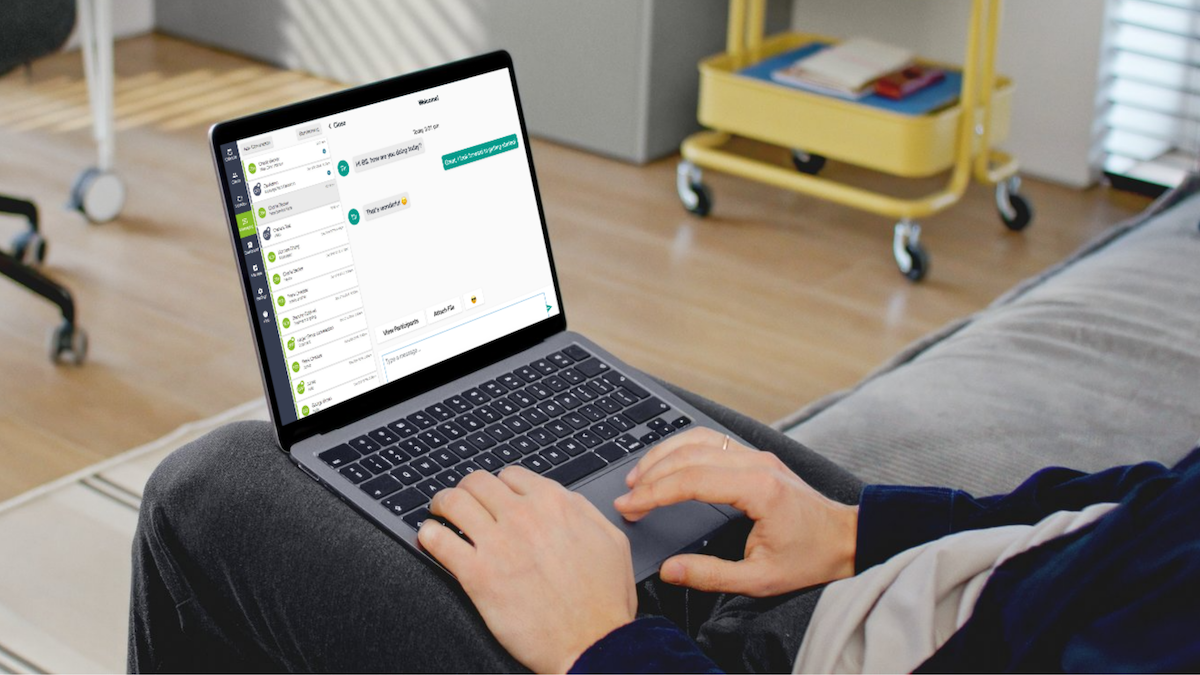
Owl Practice Secure Messaging gives therapists and clients a dedicated way to communicate through the Client Portal. Clients can view conversations, reply to existing threads, start a new conversation, and attach files.
Between-session communication gets a home that’s connected to the practice, instead of spilling into regular email or text by default. What you get out of it isn’t one more messaging tool to check. It’s one fewer place client communication can scatter to.
A Secure Channel Still Needs a Boundary
Most therapists have a fair worry about messaging tools: if I make myself easier to reach, will clients start expecting an instant reply? Owl lets practices display an informational message inside Secure Messaging, so you can spell out how the channel should be used and what clients can expect around response times.
That does more than open a line of communication. It sets a norm. Clients know where to send a message, what it’s for, and that sending one doesn’t put their therapist on call. Easier on the client, and more sustainable for you over a full caseload.
Share Resources That Support the Work
Between sessions, you might want to send a worksheet, a resource, or another file tied to what you’re working on together. Secure Messaging supports attachments, so the file and the conversation around it stay in the same place. That tends to be a lot cleaner than emailing a resource and then having the client’s reply carry on somewhere in your inbox.
Care Can Involve a Network, Not Just an Individual
Communication gets more complicated when you work with minors, couples, and families. Who’s the parent? Who’s another client with their own record? Who’s involved in care but doesn’t have a record of their own? Owl’s Circle of Care helps practices organize those relationships.
It’s built to hold more than a generic contact list does, asking you to capture not just who a person is but how they relate to the client and their care. That context matters when you’re deciding how the people around a client should interact with the practice.
Protect the Relationship by Protecting the Workflow
Being reachable doesn’t have to come with administrative chaos. A clear channel, clear expectations, and client relationships the system actually reflects all make between-session communication easier to stay on top of. Owl Practice helps you stay connected to clients without asking your inbox, or your personal boundaries, to carry the whole load.
Start your free trial today to learn more about how Owl Practice can save you time.