Your clients place profound trust in you. They share their deepest concerns, their vulnerabilities, the parts of themselves they keep hidden from the world. As a mental health professional, you understand that this trust extends beyond the therapy couch to every aspect of how you handle their information. While most therapists rightly focus on protecting clinical notes and session records, another critical area that demands vigilance is how you collect, store, and process payment information.
Outdated payment methods, such as writing down credit card numbers or using unsecured forms, expose your clients and your practice to serious risk. All Owl Practice client data is stored on Canadian servers, protected by bank-level encryption (SSL). Owl Practice is College and PHIPA-compliant and regularly backs up all data, so in the event of a catastrophic failure, your data will be secure.
The Risks of Not Protecting Client Payment Data
Many established clinicians built their practices using methods that were once considered acceptable. Perhaps you’ve stored payment information in a spreadsheet for convenience or asked clients to complete authorization forms with their full card number and security code. These practices now pose a significant threat to your practice:
- Compliance violations: Failing to meet Payment Card Industry (PCI) standards can trigger audits and potential legal action. In Canada, violating PHIPA by mishandling client financial data can lead to substantial financial penalties and reputational damage.
- Destroyed client trust: A single data breach due to inadequate security measures can erode the trust that underpins effective therapy.
- Legal and financial liability: Beyond regulatory fines, you face potential lawsuits from affected clients and the costs of legal defense and practice recovery. Many professional liability policies don’t fully cover data breach incidents, leaving you personally exposed.
Credit card authorization forms, once a standard tool, are no longer PCI-compliant. Storing paper or digital files containing full card numbers, CVV codes, and expiration dates creates the kind of vulnerability that identity thieves actively seek. The dangers of insecure payment methods like e-transfers are further compounded by their lack of encryption and compliance protections required by payment card processing.
What Do Secure Client Payments Really Mean?
The Payment Card Industry Security Standards Council (PCI SSC) established PCI compliance regulations to protect cardholder data and reduce credit card fraud across all industries. If you accept card payments in any form, you must handle that data in a PCI-compliant manner by using a PCI Hosting Provider.
This doesn’t mean becoming a security expert or maintaining complex systems yourself. It means using tools and payment systems that have already met these rigorous standards for protecting client payment data. The PCI Hosting Provider is responsible for the safe storage, processing, and transmission of card details and other information. They are subject to annual audits from the PCI Security Standards Council to confirm that all security standards are consistently upheld.
The key concept is tokenization. Modern payment systems replace sensitive card numbers with meaningless reference tokens. When a client’s card information is entered into a compliant system, it’s immediately converted into a token that can’t be reverse-engineered or used fraudulently. The actual card number gets stored in a secure vault maintained by a Level 1 PCI-compliant provider, the highest tier of security certification. Your practice management system only stores the token, eliminating your exposure to data breach liability.
The Modern Standard for Therapy Practice Payment Security
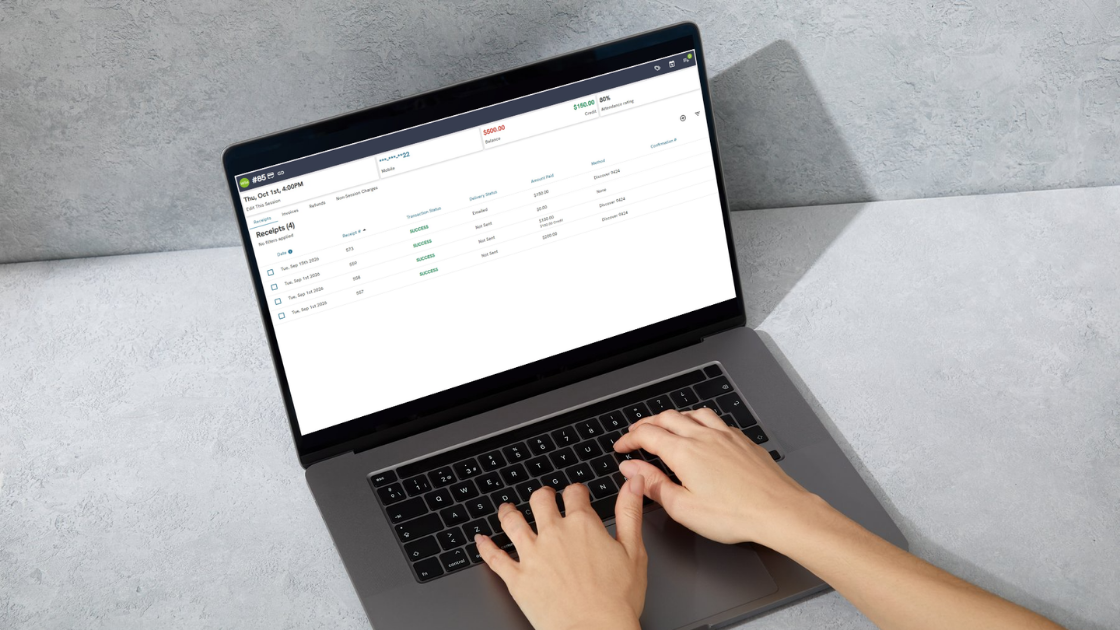
Leading practice management platforms handle payment security automatically by integrating with certified payment processors. Owl Practice partners with Stripe to provide a secure way to process credit card payments. Stripe is fully integrated with Owl Practice for card storage and payment processing.
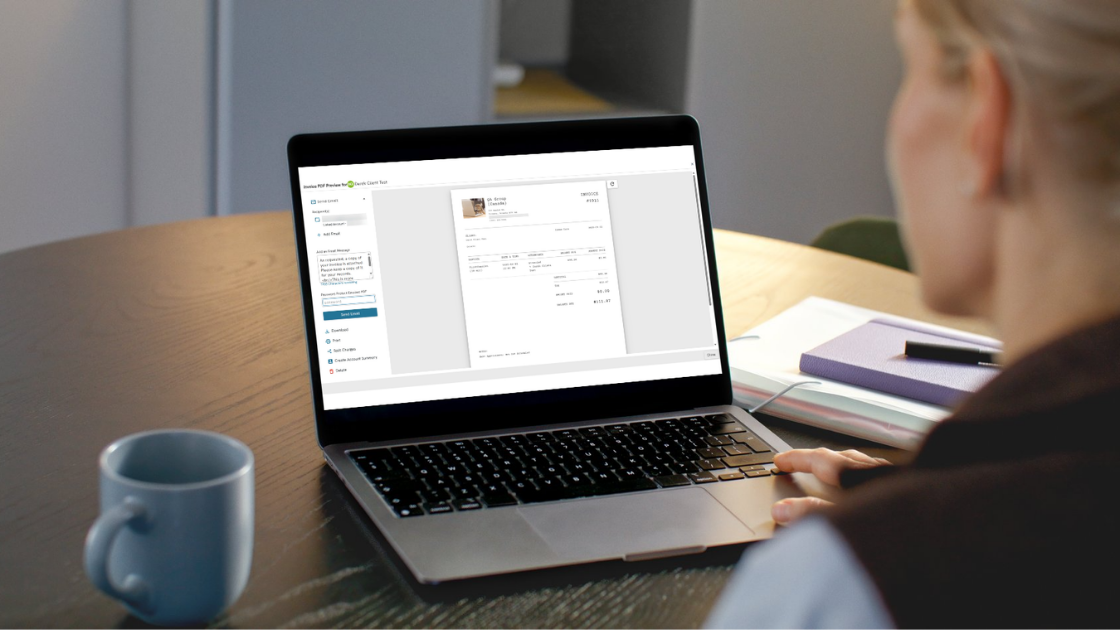
When you use a secure client portal for card entry, the data is sent over an encrypted connection to a Level 1 PCI-compliant provider, such as Stripe, where it’s validated, tokenized, and stored securely. The card details never pass through your email, your computer files, or any system you need to personally secure.
This integrated approach eliminates the manual handling of payment information entirely. No writing down numbers, no storing spreadsheets, no authorization forms sitting in file cabinets. Once a client’s payment method is securely saved, future billing happens seamlessly without repeatedly entering card details or exposing sensitive information to anyone.
For Canadian mental health professionals, this also addresses PHIPA requirements. Payment information linked to a client’s identity constitutes personal health information under provincial privacy laws. Using a compliant integrated system ensures you’re meeting both PCI standards and Canadian privacy obligations.
Compliance Do’s and Don’ts
Stripe and Owl Practice work flawlessly together to ensure card security, but that doesn’t mean all of the responsibility is out of your hands. There are some do’s and don’ts regarding card security that you need to keep in mind:
- DO: Input all data and transactions directly into the secure PCI Hosting Provider’s system. If possible, use encrypted card swipers to collect and transmit all data into the system or process all transactions through a secure stand-alone merchant terminal.
- DON’T: Never write down cardholder information on paper, even if you’re writing it on a post-it note temporarily. Storing any paper forms containing card numbers, CVVs, and expiry dates is noncompliant and poses a significant risk for identity theft.
- DO: Use a secure, encrypted phone line if you’re exchanging cardholder information over the phone. If you use a call center, check whether they allow customers to enter their card details via a secure touchtone option, ensuring no one else hears or sees the card details.
- DON’T: Avoid recording cardholder information in computer files or spreadsheets. Computers can be hacked, and the information could be stolen and used for identity theft.
- DO: Ensure that all card numbers are rendered unreadable (tokenized) anywhere they’re kept and stored. You should only ever see the last four digits and expiry of all cards on file. (Again, not something you have to worry about when you use Owl Practice’s integration with Stripe.)
If you keep these dos and don’ts in mind, Owl Practice and Stripe will handle most of the work, leaving you with a few simple frontline best practices to follow and provide your clients with the best possible security.
Achieve Total Peace of Mind With Therapy Payment Safety

Protecting client payment data is a fundamental professional obligation that sits alongside maintaining confidential clinical records and providing competent care. The good news is that you don’t have to navigate this complexity alone.
By choosing practice management tools built specifically for mental health professionals, you gain a security partner that understands both the clinical and administrative demands of your work. We handle payment security automatically while you focus on the therapeutic relationships that drew you to this profession in the first place.
Learn more about how Owl Practice keeps your entire practice secure and sign up for a free trial to free yourself from the burden of securing your clients’ financial information.