Confidentiality is a core element of any ethical therapy practice. As your practice grows and you hire more staff, it becomes increasingly crucial that you properly manage who has access to sensitive client data. The last thing you want is unauthorized personnel accessing confidential data, as this violates strict privacy laws, such as the Personal Information Protection and Electronic Documents Act (PIPEDA).
Proper management of client record access and permissions protects you from severe consequences of data breaches, including prosecution, significant monetary penalties, and regulatory discipline. It also protects the reputation of your practice and helps maintain your client’s hard-earned trust.
Establish Clear Policies and Procedures
The first step in managing client record access and permissions is developing written policies and procedures that outline details such as:
- Permitted roles: Your policies should clearly define the roles permitted to access client records. This could include clinical administrators and therapists.
- Data scope: Beyond defining permitted roles, your policy should outline the scope of their access. It should set clear permissions that determine what records each role can view, modify, or delete.
- Access conditions: Access and permissions may be absolute or subject to specific conditions, as defined by your policy.
Safeguard Your Practice With Role-Based User Access
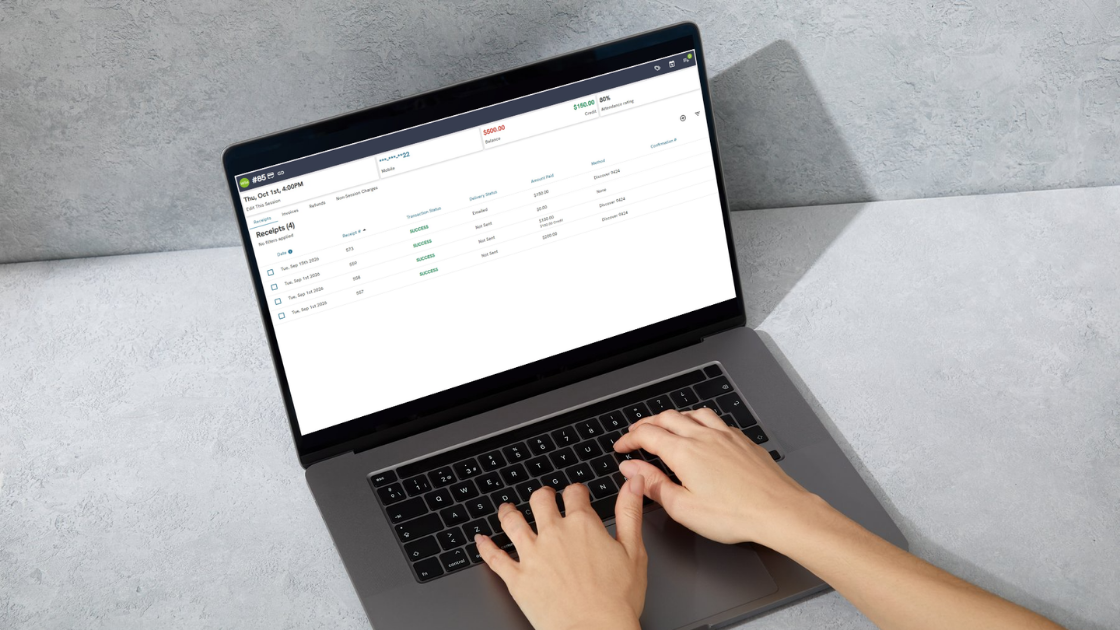
Once you have established clear policies and procedures, the next step should be to verify compliance through role-based user access. Owl Practice management software makes it easy for you to streamline compliance. It allows you to group your team into distinct, customizable user types, such as therapists, office admins, and clinicians. This way, you can confidently assign tasks, knowing that only assigned users can access client records.
Keep Clinical Notes Strictly Confidential
Therapists have an ethical and legal obligation to keep clinical notes strictly protected, even from fellow therapists in the same practice. Unauthorized disclosure of clinical notes to other therapists constitutes a breach of confidentiality.
With Owl Practice management software, you can set up digital partitions to separate practitioners in the same practice. Individual therapists will only have access to their own clients’ clinical notes, intake forms, and treatment plans.
Experience Complete Peace of Mind With Owl Practice

Clients trust your practice with their sensitive information, and you have a duty to ensure that they stay protected from unauthorized access. Owl Practice gives you peace of mind while shielding your practice from compliance violations, reputational damage, and costly penalties. Manage your client record access and permissions more effectively with Owl Practice. Sign up for a free trial today.