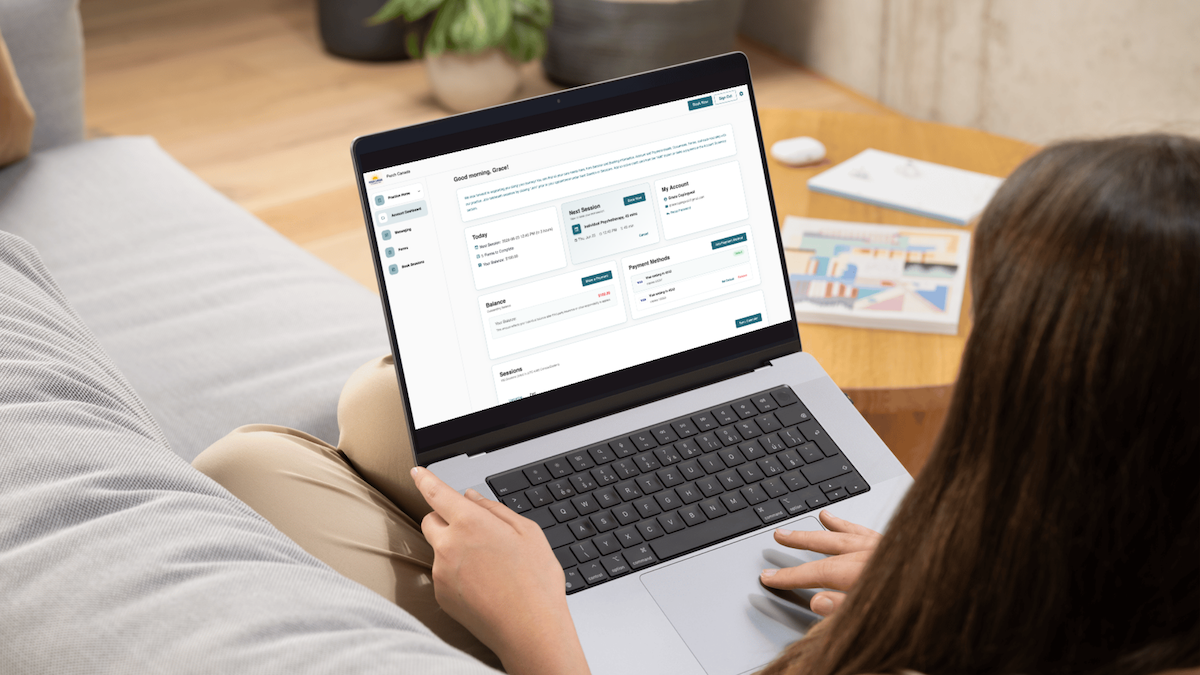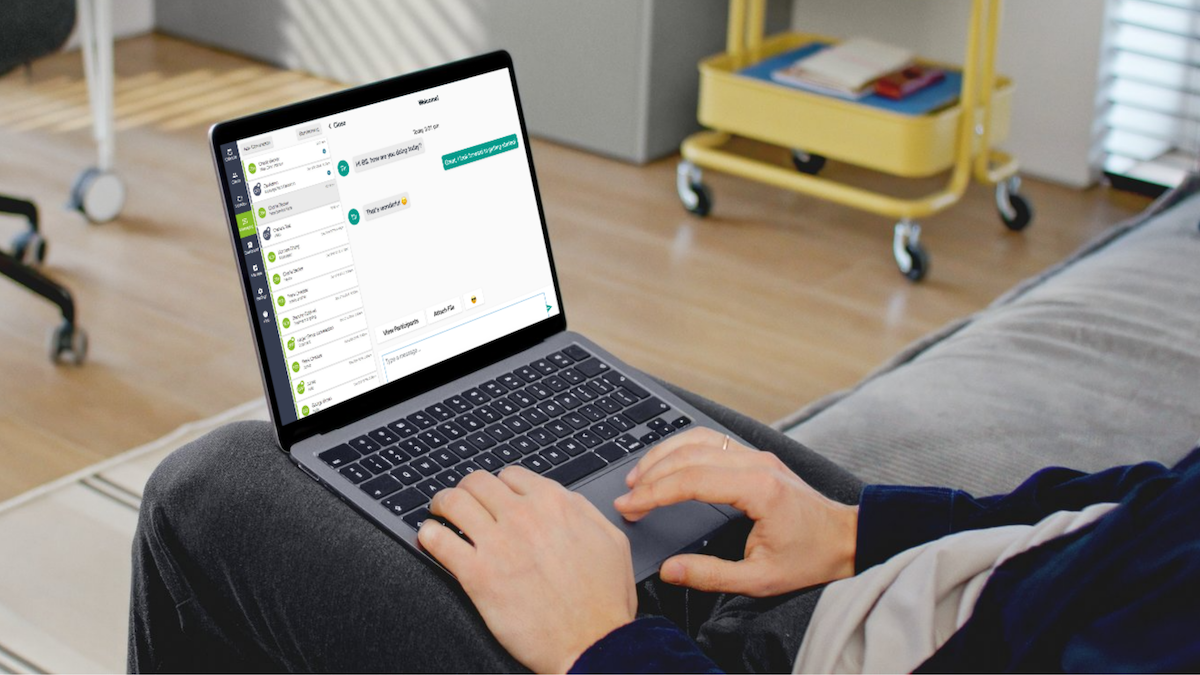
Teletherapy, or using telecommunication platforms to provide therapy remotely, can be a massive boon for clients and therapists alike. It makes care more accessible and convenient while expanding potential clientele. However, it’s important to understand how to ensure secure teletherapy in Canada before getting started.
Teletherapy Security Requirements in Canada
Cybersecurity and mental health care standards vary widely across the globe, which can make it difficult to know how to proceed. Here’s a quick rundown of the relevant compliance requirements.
Federal Security Requirements
The Personal Information Protection and Electronic Documents Act (PIPEDA) is one of the most important regulations to turn to when determining what constitutes secure video therapy for mental health in Canada. This federal law regulates how businesses use personal information, including how video platforms may collect, store, and share protected health data.
Provincial Regulations
Beyond PIPEDA-compliant teletherapy, Canadian mental health practitioners must recognize local laws. Several provinces have their own security regulations, like Ontario’s Personal Health Information Protection Act (PHIPA) or British Columbia’s Personal Information Protection Act (PIPA). These acts may have unique requirements, so it’s important to review which may apply to you.
Non-Legal Best Practices
There are also technical considerations for teletherapy that may not be a legal matter but will make teletherapy more or less secure, such as having a strong internet signal and using encrypted networks. Some professional organizations also have non-legally-binding recommendations, like the Canadian Counselling and Psychotherapy Association’s guidelines. These are not necessary for compliance, but following them gives your clients another level of assurance in the care you take over their data.
How to Ensure Secure Teletherapy in Canada
The best way to ensure compliant video therapy for Canadian therapists is to use a platform with built-in security and compliance features. Choosing the right tools means you don’t need to manually review and meet complex technical requirements, which may lead to mistakes or take time away from clients.
A few specific features to look for include data encryption, localized data storage, digital consent management, and transparent privacy policies. You should also practice safe password management and learn to avoid common scam attempts. All staff at a therapy practice should understand and follow these recommendations.
Get Started With Owl Practice’s Secure Video Therapy Platform
If you’re looking for a secure teletherapy platform for Canadian practices, Owl Practice is here to help. Our secure video therapy solution complies with many standards, including PIPEDA. Every session is fully encrypted, and we follow all legal requirements and best practices for storing data securely and making privacy easy to understand.
Learn more about our secure video therapy platform.